Fayetteville, located in North Carolina, is a city rich in history and natural beauty. Situated in the Sandhills region, Fayetteville boasts a diverse geography that includes rolling hills, forests, and waterways. The city is strategically positioned along the Cape Fear River, providing both recreational opportunities and important transportation routes. The surrounding landscape offers residents and visitors alike a chance to explore the great outdoors and enjoy a variety of outdoor activities, such as hiking, fishing, and boating.
With a population of over 200,000 residents, Fayetteville is a vibrant and diverse community. The city is known for its strong military presence, as it is home to Fort Bragg, one of the largest military installations in the world. This has contributed to a unique cultural blend in Fayetteville, with a mix of military personnel, veterans, and civilians shaping the city's identity. The population also includes a large number of students, as Fayetteville is home to several higher education institutions, such as Fayetteville State University and Methodist University.
Fayetteville experiences a humid subtropical climate, characterized by hot, humid summers and mild winters. The city enjoys a relatively long growing season, making it ideal for agriculture and outdoor recreation throughout much of the year. However, residents also have to contend with the occasional threat of hurricanes and severe weather, which can bring heavy rainfall and strong winds to the region. Despite these challenges, Fayetteville's climate offers a balance of seasonal changes that many find appealing.
Fayetteville is home to a variety of major attractions that draw visitors from near and far. The city's historic downtown area features charming brick buildings, boutique shops, and cozy cafes, providing a glimpse into Fayetteville's past. Outdoor enthusiasts can explore the Cape Fear Botanical Garden, while history buffs can visit the Airborne and Special Operations Museum to learn about the city's military heritage. Additionally, Fayetteville hosts cultural events and festivals throughout the year, showcasing the city's vibrant arts scene. With its rich history, natural beauty, and diverse population, Fayetteville offers something for everyone to enjoy.
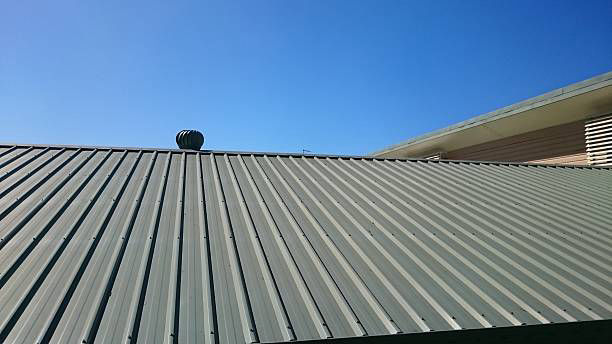
Consider updating your commercial roofing material to enhance the durability and aesthetics of your building. When looking for commercial roofers in Fayetteville, NC, it's essential to choose experienced professionals who can provide top-notch services.
Whether you require flat roof repair in Fayetteville, NC, or a complete overhaul, hiring reputable fayetteville commercial roofing contractor is crucial for a successful project. These contractors possess the expertise to handle various roofing materials and designs, ensuring that your commercial property not only looks appealing but also remains structurally sound.
When seeking to enhance the sustainability of your commercial roofing, explore incorporating innovative green technologies and materials. Fayetteville commercial roofing contractors can help you integrate sustainable roofing solutions that not only benefit the environment but also provide long-term cost savings.
Consider options like cool roofs, which utilize reflective materials to reduce heat absorption and energy costs. Green roofs are another excellent choice, adding vegetation to your rooftop to improve air quality, reduce urban heat island effect, and prolong the lifespan of your roof membrane. Additionally, solar panels can be installed on your commercial roofing in Fayetteville to harness renewable energy and further lower your utility bills.
Working with experienced commercial roofers in Fayetteville, NC, will ensure that these sustainable roofing solutions are implemented correctly and effectively. By partnering with a knowledgeable Fayetteville commercial roofer, you can create a more eco-friendly and cost-efficient roofing system for your commercial property.
Consider transforming your commercial roof into a vibrant oasis by incorporating a stunning roof garden design. Roof gardens not only enhance the aesthetic appeal of your building but also provide numerous benefits such as improved air quality, energy efficiency, and a relaxing outdoor space for employees or visitors.
When designing a roof garden, consider factors like weight restrictions, drainage systems, and plant selection to ensure the garden thrives in the unique rooftop environment. Incorporating a variety of plants, flowers, and even small trees can create a lush and inviting space that complements your commercial property's architecture.
To enhance the aesthetics of your commercial building with a roof garden, you can incorporate features like seating areas, walking paths, or even water elements for a tranquil ambiance. Adding colorful planters, decorative lighting, and outdoor furniture can further elevate the overall look of the rooftop garden. Additionally, consider hiring a professional landscaping company with experience in rooftop gardens to assist you in creating a visually appealing and functional outdoor space that will set your commercial property apart.
Insulation can indeed help prevent roof leaks in commercial buildings. By providing a barrier against temperature changes and moisture intrusion, insulation maintains the integrity of your roof system. Proper installation is key to effective leak prevention.
Proper insulation in commercial spaces enhances indoor comfort by regulating temperature and reducing energy costs. It creates a barrier against heat transfer, maintaining consistent warmth in winter and coolness in summer. Upgrade today for optimal comfort.
Insulation is crucial in lowering heating and cooling costs for businesses. It helps regulate indoor temperatures, reducing the strain on HVAC systems. Proper insulation ensures energy efficiency, leading to significant savings in operational expenses.
When insulating commercial roofs in Fayetteville, consider materials like polyisocyanurate, spray foam, or mineral wool for maximum efficiency. These options offer excellent thermal performance and moisture resistance to help regulate indoor temperatures effectively.
Upgrading insulation in older commercial buildings is often necessary to improve energy efficiency, reduce heating and cooling costs, and enhance overall comfort. Consult with our experts to assess your building's insulation needs.